ELCAN and East Lothian Climate Hub: Year 2 in Review
The East Lothian Climate Hub is now two years old. To misquote AA Milne, we’re “almost new.”
Our second year was more than an opportunity to build on still fresh foundations. We were able to keep hold of our beginner’s mindset and the knowledge there’s a lot of work ahead of us, but with the added benefit of another year’s worth of connections (and some successes).
Year Two saw projects like the Community Heat Teams win national awards and the Hub’s work praised in the Scottish Parliament during the Draft Climate Change Plan hearing.
We are now a network of over 100 organisations and hundreds of individuals from across East Lothian. The Hub now has a confidence and familiarity of purpose that comes from a year of getting to know the issues and organisations at the heart of the region. It is still early enough point that every activity has outcomes that open up new connections and new avenues for action.
However, we are now at a stage where we can pursue long-term, strategic projects. Our seasonal food and biodiversity projects have the confidence of our partners and members to form long-term management plans – such as the Hedgerow Restoration Pilot.
Building on the foundations laid in Year 1, the Hub has deepened its roots in communities across East Lothian, broadened our reach to the regional and national level. The seeds of projects planted in Year One are now starting to bear fruit. In some places, literally.
Our next chapter as a registered Scottish Charitable Incorporated Organisation (SCIO) will allow us to build on this success and the grassroots support, outside organisations. Individual memberships and new opportunities for fundraising, are some of the exciting possibilities we can look forward to as a Hub in the year ahead.
Quarter 1: The seed fund relaunch, early fundraising wins, and foundational groundwork
Q1 was a chance to revisit and refresh programmes. A good example of this was relaunching the Seed Fund as a Rolling Grant with a monthly assessment cycle. The aim of this was getting funding into the hands of community groups faster, without the bottleneck of fixed deadlines. By the end of June, it had five applications totalling £4,126 ready for assessment in Q2. A great start for the restructured £10,000 community fund.
This first quarter also saw the beginning of an ambitious work package on Local Place Plan and Energy themes. The hub secured £8000 to support a project on community benefits from energy developments in East Lammermuir. This involved developing workshops to focus community benefits planning across themes selected by the villages of Stenton, Spott, Innerwick and Oldhamstocks.
Quarter 2: The 2040 Vision finds new audiences, Tranent’s green gathering, and the Policy Circle’s first output
Q2 saw a number of ambitious projects come to fruition. Youth outreach and climate literacy projects were especially prominent.
The Hub’s 2040 East Lothian-wide Vision exhibition toured East Lothian; a collection of young people’s art, expressing their hopes for the future and far side of a “fair and just transition” under the Scottish Climate Change Plan. With prominent residencies in the Scottish Seabird Centre and John Muir Birthplace museum, the exhibition received coverage in the East Lothian Courier and That’s TV news bulletins. Four other South East hubs (ECCAN, FCCAN, MLCAN and WLCAN) expressed interest in adopting the 2040 vision for a regional project.
In partnership with East Lothian Council, the Hub launched a Learning for Sustainability Network for local schools. Ten schools attended the first meeting.
This quarter also saw the Policy Circle formalised with the contribution of six members, offering specialisms in law, planning, biodiversity, community councils, and community groups. In short order, the circle produced three policy outputs during the quarter. This involved work with the SCCS’s Climate Change Plan consultation, a response to the East Lothian Council’s Biodiversity Action Plan (asking for clearer governance and outcomes), and collaboration on the SCCS’s Mass Lobby at Holyrood with ELCAN members.
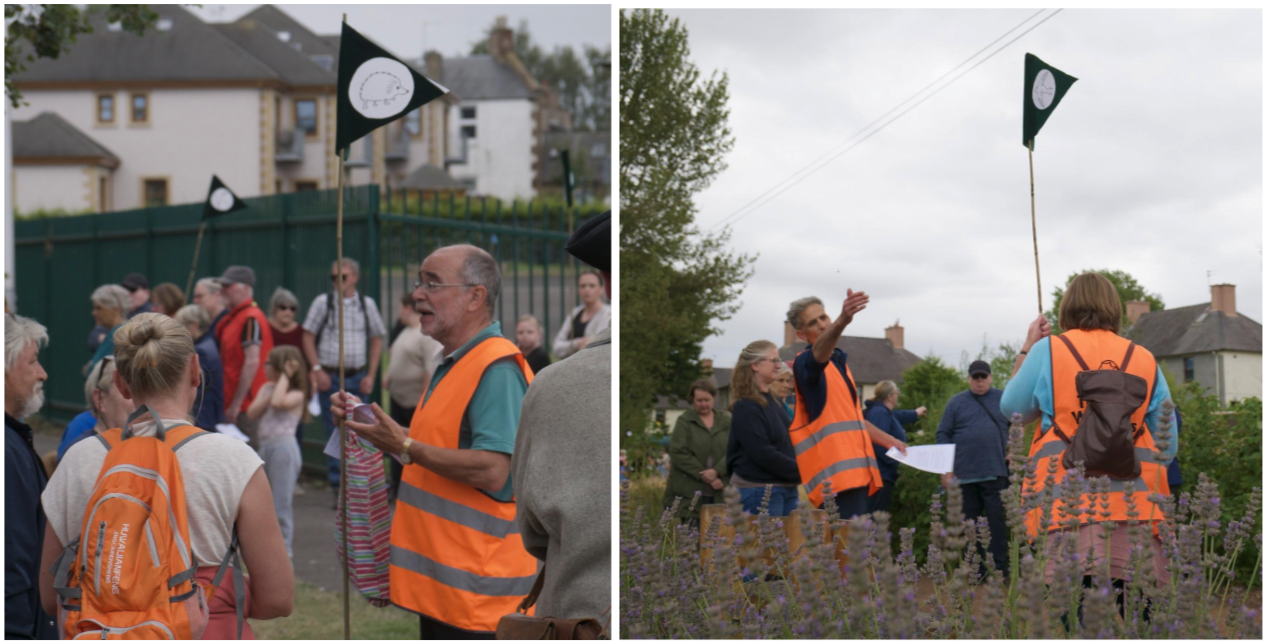
A highlight of Q2 was the ‘Celebrating Wildlife and Food Growing in Tranent’ event, which saw local nature and sustainability groups joined by over 60 community members to tour the local action projects across the town. Concluding in the Heugh Community Gardens, it was a celebration of local climate action with music from the Merry Ukes and food from the community pizza oven.
Quarter 3: Fundraising record, BE-ST national award, Lothian Heat CIC established, Hedges volunteers break ground
Q3 brought national recognition, a major funding breakthrough, and bold structural steps as the Hub moved towards greater independence and funding resilience.
In October, the Climate Hub was named the winner of the BE-ST Accelerate to Zero Award for “Scaling Community Heat Teams”. The recognition was a boost for the hub and the seven active Community Heat Teams running volunteer-led surveys across the region. It also provides a solid base for raising further funding to scale the model nationally.
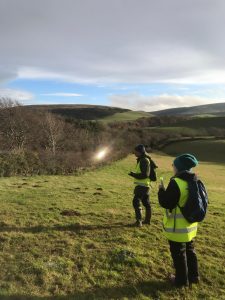
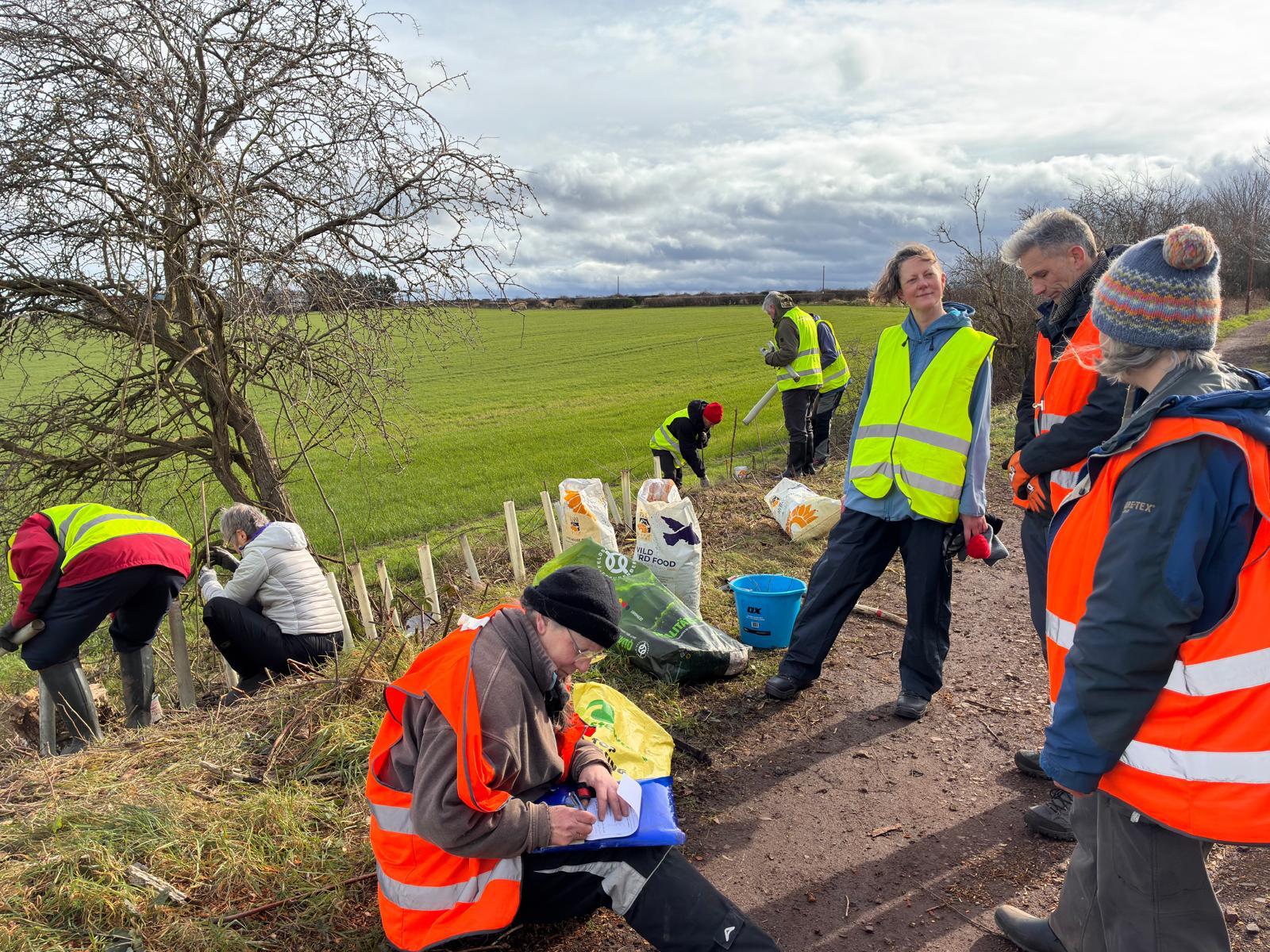
Moving into planting season, the Hedgerow Restoration Pilot produced its first ten-year management plan at Drylaw Hill Farm and expanded to five further sites. With over thirty volunteers trained up in surveying and practical management, it was a promising start for the winter ahead.
Q3 also saw several major organisational updates. The Hub moved offices to Cockenzie House in Cockenzie & Port Seton, positioning the new base to be closer to the Inch Cape landfall. This is an area where there are plenty of energy projects and proposals but community climate action needs further development. The Hub staff also adopted new sociocratic roles for meeting facilitation and decision making. With many consequential actions to take in this quarter, it was a timely consideration.
At the ELCAN members gathering the Hub signalled its intention to constitute the network as an Independent Scottish Charity (SCIO). Transitioning from an organisation hosted by LIL CIC to an organisation which can take actions and raise funds in its own capacity.
The level of funding secured during the quarter gave confidence in the decision to constitute. Q3 saw the hub’s strongest fundraising results to date, with £64,550 across bids. Some of the larger applications included a regional CARES community energy support application for a share of £20,000 and a £34,242 partnership on behalf of the community owned heat network initiative, Lothian Heat CIC.
Quarter 4: New format GFF, 2040 Visions on the move, East Lammermuir Energy Partnership, and ELCAN becomes an SCIO.
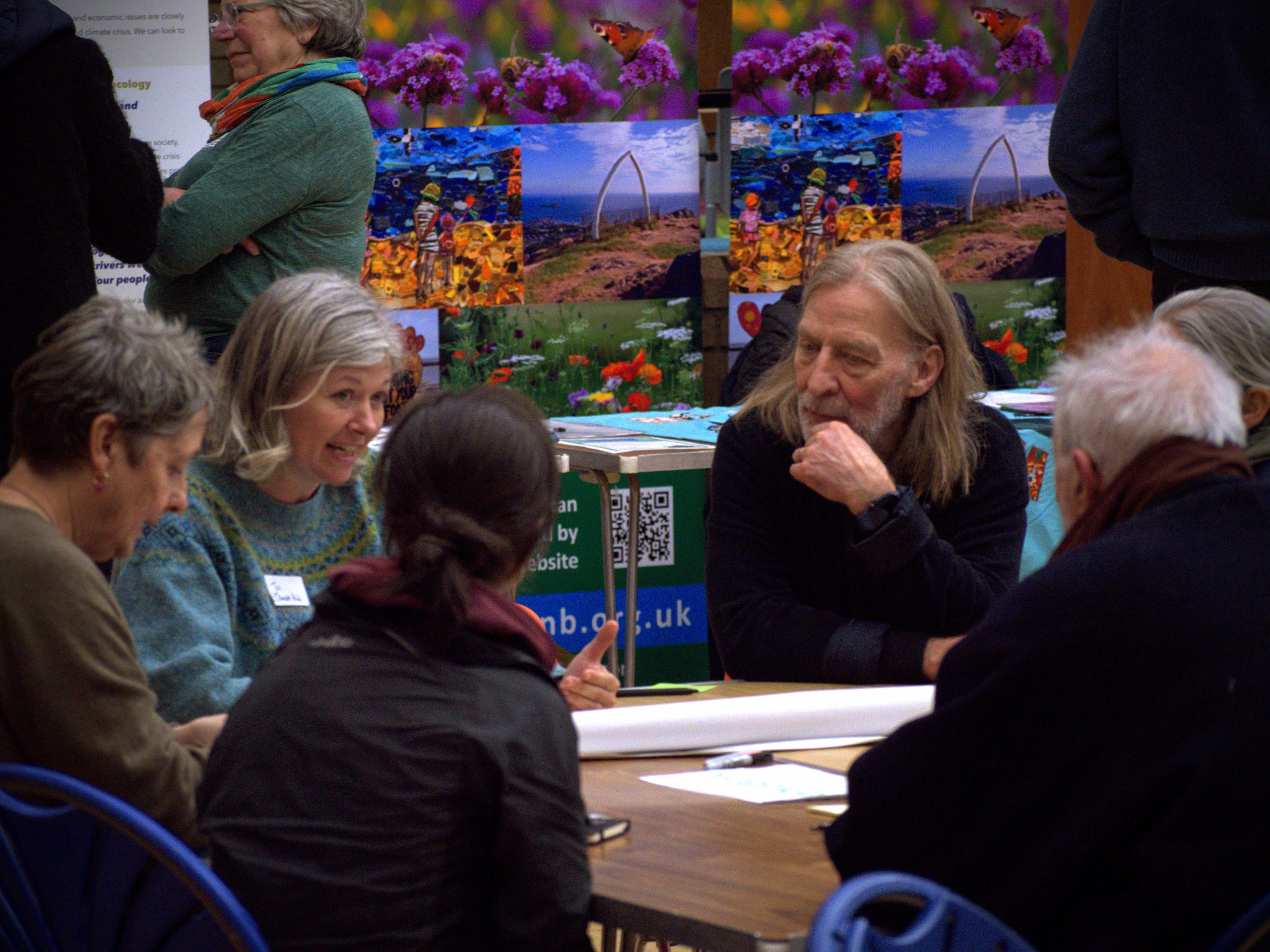
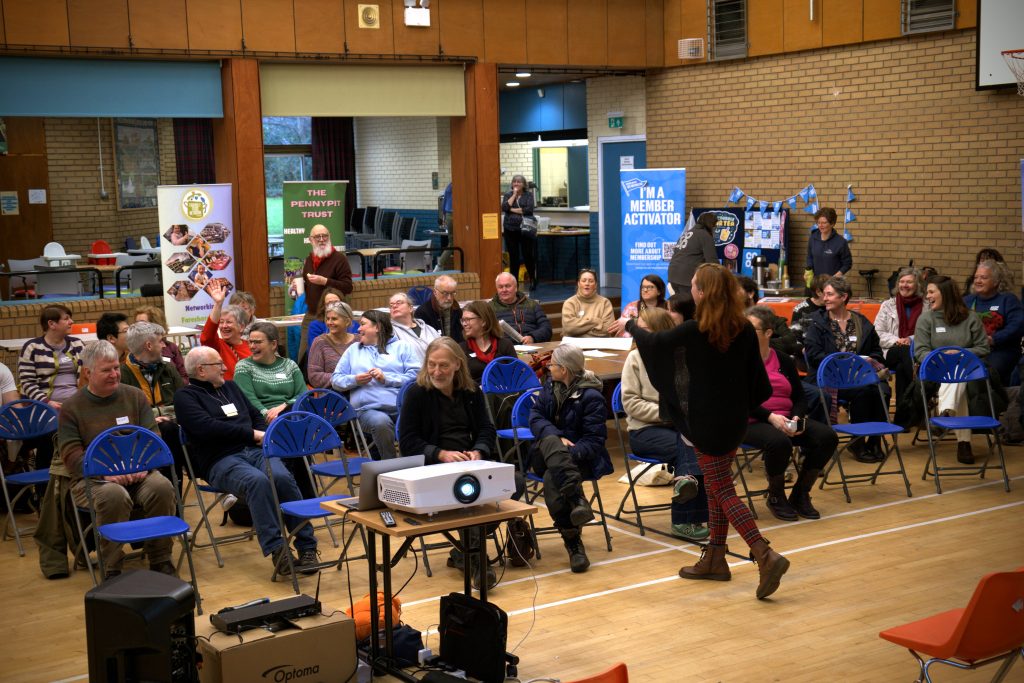
On 24 January, the Green Futures Festival returned with a very well attended event in Prestonpans Community Centre. This annual event brought together thirteen exhibitors and over one hundred members of the public to learn about the climate and nature projects happening across East Lothian. This included a presentation by guest speaker Pam Wade of Incredible Edible UK. There was plenty of opportunity for feedback from network members, new and old. A third of responses to our event survey said the event encouraged them to take up a bigger role in climate action, the event had a 96% satisfaction rating and 90% of attendees said they learned something new during the day. This year the Green Futures Festival also had a number of offshoots, with “mini festivals” for target audiences such as a housing-focused event in March for Planners and Developers, and more events planned for summer at Events in East Lothian.
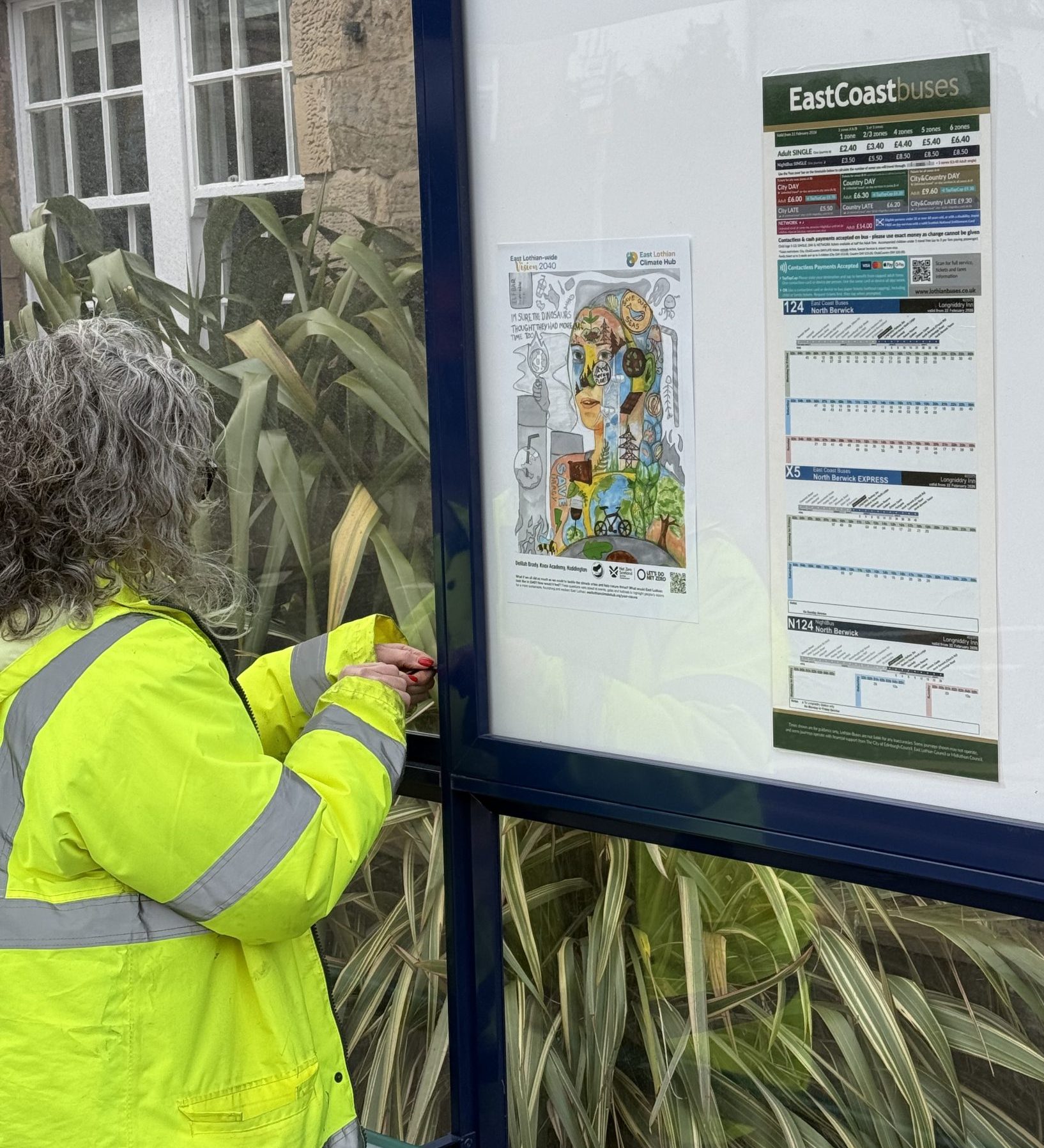
The 2040 East Lothian-wide Vision also engaged in a partnership with East Lothian Council’s Roads and Transport Department. 12 designs from the pupils’ exhibition were adapted as posters and displayed at public bus stops between Prestonpans, Haddington and North Berwick. As a project about the representation of young voices on climate issues, it was rewarding to have pupils’ artwork from John Knox Academy and North Berwick High School on the bus routes they would be taking to class.
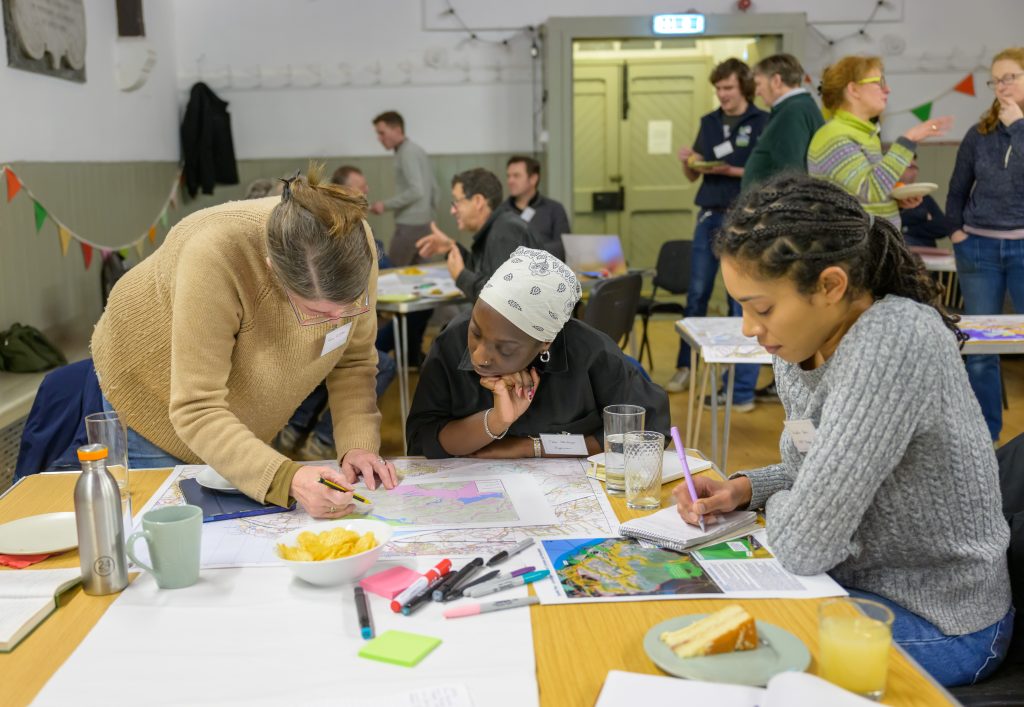
Q4 saw the conclusion of our long-running collaboration with East Lammermuir Energy Developments. In January we had the final of four village hall workshops, engaging communities to help shape asks for energy and transmission benefits in the area. These workshops focused on Energy Efficiency, Active Travel, Biodiversity and Community Transport themes on issues raised in the Local Place Plan and were facilitated by the Climate Hub (which also led and produced the subsequent report on the Biodiversity ambitions). These were valuable conversations with 25-40 attendees at each representing developers, council and community members. The final quarter also saw the Climate Hub deliver a “Synergies Report” to identify shared efficiencies and barriers across all four priorities. This was delivered at the East Lammermuir Community Council Energy Developments meeting – helping coordinate an ambitious range of asks, to maximise efficiencies and take decisive early actions that support large-scale, long-term plans for local energy benefits.
The first year of the Hedgerow Restoration Pilot also concluded in April, at the end of the winter planting season. The pilot engaged 185 volunteers to plant over 700m of hedgerow in prominent sites across East Lothian. With continuity work planned over the summer, the Hub looks forward to building on this project and attracting funding to establish hedgerow-management role.
As well as conclusions, the final quarter saw the beginning of an ambitious new collective for rural East Lothian.
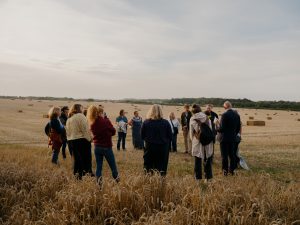
The Future Farming East Lothian network was launched on 28th January as part of the Scottish government funded “Farm Cluster Connections” programme. Over 40 land managers attended the first meeting with a second meeting on 18th March. This new learning exchange is managed by the Hub and Balanced Horizon. With monthly meetings and farm demonstrations, the FFEL will share regenerative and resilient farming best practices for increasingly unpredictable weather extremes.
At the end of March, to cap off an extremely busy year, the Hub’s application to become a Scottish Charitable Incorporated Organisation was accepted. This development sets the Hub up for success in – what is shaping up to be – a big year for climate and nature action.