Grassroots is a monthly column shared by the East Lothian Climate Action Network and The East Lothian Courier, highlighting the work of our members’ over 100 local climate and nature projects.

East Lothian community groups from Dunbar and Cockenzie are among the 14 towns presenting an open letter to Scottish Parliament on Thursday 3 September, asking for a data centre pause and greater controls over the environmental impacts of a data centre build out. Read the letter at APRS.scot
THERE is no cloud. It’s just someone else’s computer. So goes the internet in-joke.
A web search, a query for bus times, the cat video your nan shared on the family chat – all seem so innocent and cost-free. Or at least free at point of service. Few people give a moment’s thought that their instant messaging service might be burning through liquified gas – drinking reservoirs of water – all to share typos at the speed of light.
Internet usage has an environmental cost. It’s just very hard to measure or visualise.
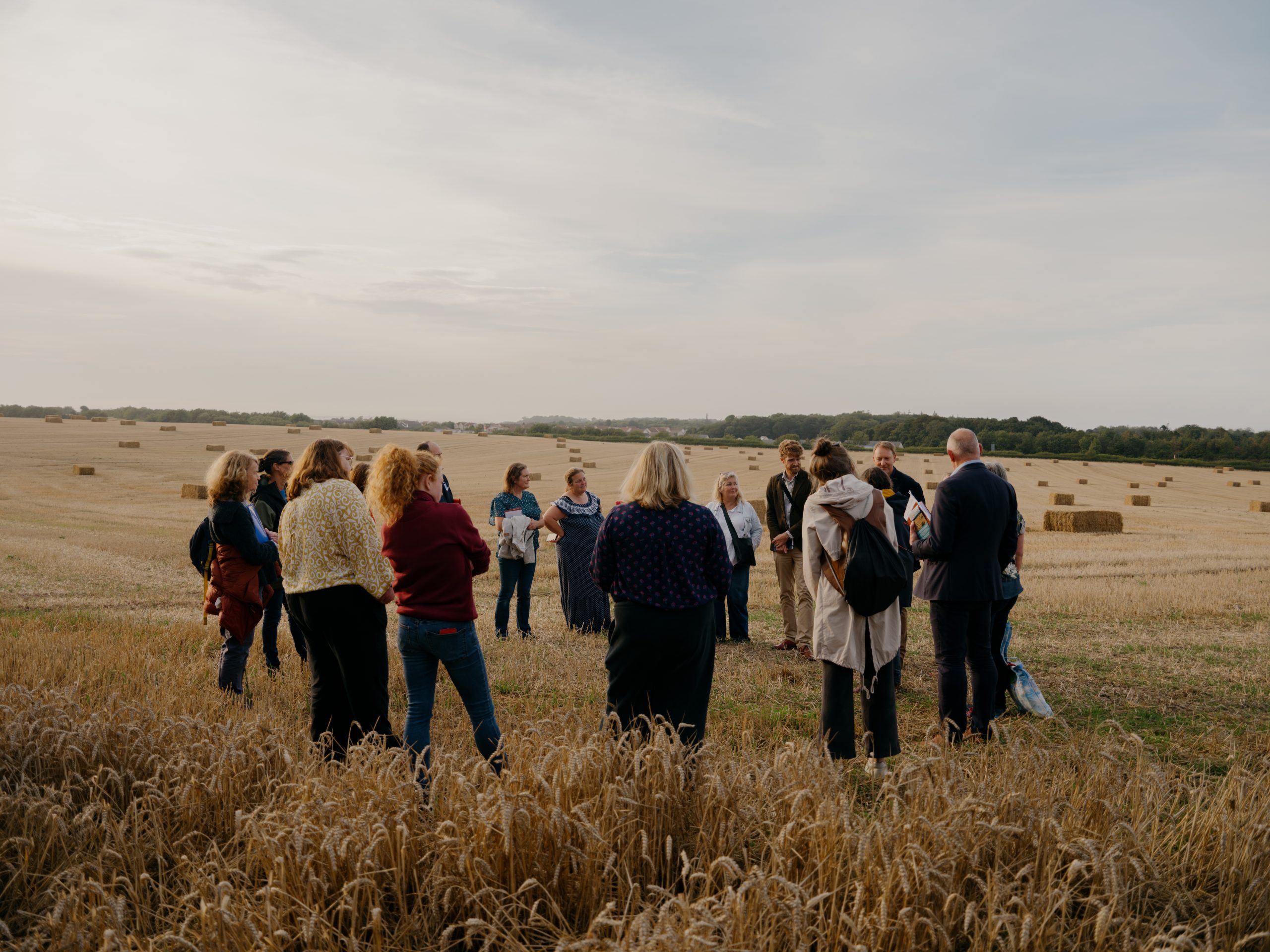
That is, until the cloud arrives on your doorstep – in the form of a 150,000-acre hyper-scale data centre.
Normally hidden from view, until now the power demands of your data usage – and the data other parties are storing on you – has been easy to dismiss. However, we are at a turning point.
It’s no accident that a new awareness of the environmental impact of our data addiction has grown with the rise of AI and the mushrooming of data centres around the country. There are 24 “hyper-scale” data facilities planned in Scotland, including the two new data facilities in East Lothian.
With one occupying the old Cockenzie Power Station coal stores, the other the size of a new suburb south of Dunbar – these mega-projects are understandably a worry for communities.
What it will do to local water demands and an energy network that is already struggling to keep pace with demand are chief concerns, especially given those developing the data centres aren’t sure of the impacts themselves.
The debate around the water and power use of the projects has been so confused, there are rarely two figures the same.
Researchers have claimed a single AI-generated email could consume a whole 520ml bottle of water. The government’s own figures predict that, by next year, the thirst for cooling and powering data centres will be “equivalent to more than half of the UK’s total water usage”.
Meanwhile, leading companies like Open AI have equated the average query to “a fifteenth of a teaspoon” of water, though none have been able to show their working – ironic for a technology with the stated aim of making the world’s knowledge more accessible.
Power demands are harder to dismiss. The current pipeline of data centres drawing between 100MW and 1000MW, according to APRS, if all the projects were green-lit they would exceed Scotland’s peak winter energy demand. This will only put further pressure on the grid and drive already-high prices in one direction.