Grassroots is a monthly column shared by the East Lothian Climate Action Network and The East Lothian Courier, highlighting the work of our members’ over 100 local climate and nature projects.

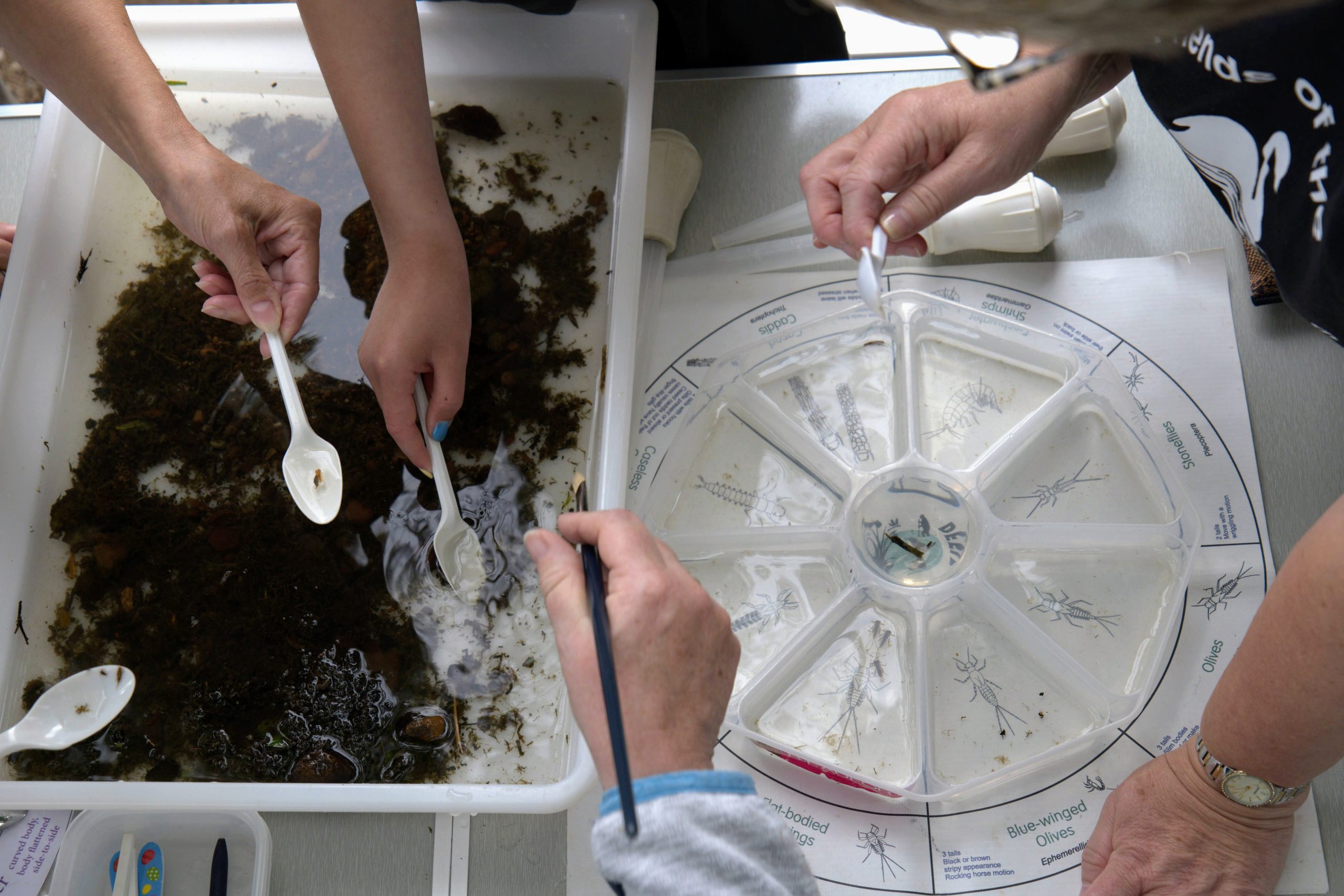
SAT at a folding table with members of the Friends of the River Tyne, we filter the catch with white picnic spoons. Olives, flat-bodied nymphs, stonefly – even the odd leech, swimming like a slinky possessed. Each is sorted into smaller containers for the final count.
What looks like a surreal riverbug banquet is, in fact, an important window into the health of our waterways.
As part of their work with Buglife UK and the Riverfly Partnership, the count is a standardised test carried out on riverbanks across the country. Friends of the River Tyne are one of 47 groups in Scotland trained to conduct this kind of data gathering. The presence of these delicate invertebrates is one of the best indicators of water quality.
As well as counting bugs, the group’s phosphate and nitrate readings feed into the environmental monitoring charity Earthwatch.
It’s volunteer groups like Friends of the River Tyne that are upstream of our understanding of our rivers. Without them we’d be blind.
When EffieRenton joined 14 years ago, there were only five members, and it had a different name: ‘The River Tyne Trust’. It was a low ebb, run by a handful of eco-conscious anglers.
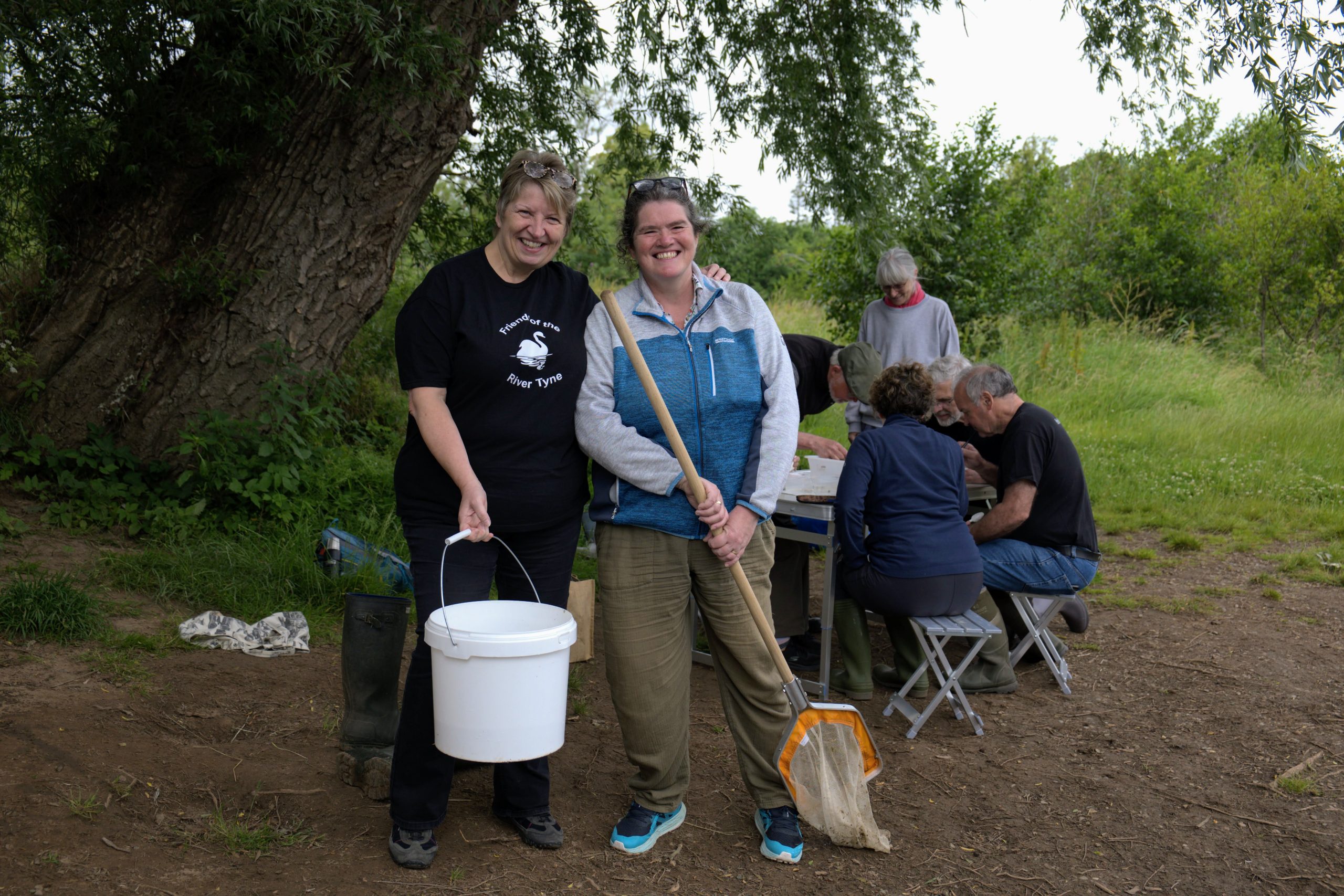
Since then, the ‘Friends’ have grown in number and impact. They run initiatives from citizen science and removing invasive plants to annual rubbish clears. Notable discoveries have included cast-iron bathtubs, illegal eel nets, even the odd bomb – earlier this year, rivergoers discovered unexploded ordnance on a stretch near Tyninghame. Few people know every inch of the river as well, or care as deeply about the Tyne, as their volunteers.
The waterways hold a record of all that happens in East Lothian. Everything ends up in the rivers eventually.
As Effie says, Haddington has changed drastically even since she started volunteering. “The population of East Lothian has exploded – there are many who are unaware of Friends of the River Tyne, or that they even have a river.”
About 1,500 houses have been added in the past decade and a half, she added, mainly in developments to the west of the town. The Friends say this increased pressure is showing on the waterways.
“There’s increased demand on wastewater treatment and drainage. Everything is downstream and everything we do has consequences.”
This September, the Friends of the River Tyne will join Balanced Horizon, East Lothian Angling Association and others to hold a series of events.
The Friends say there is a need to get to know new residents and introduce them to their river – an environment they impact whether they realise it or not.
Audra Buist, a retired primary school teacher, says these events will invite Haddingtonians – especially new arrivals – to get to know the wild spaces nearby.
“We want to invite new members and make people understand there are stresses on
the system,” she says.
These events form part of a countywide focus on waterways led by East Lothian Climate Action Network (ELCAN), including involvement from groups such as the Lothian Esk Catchment Partnership and Musselburgh Flood Protection Scheme.
With delays and funding issues affecting flood defences across East Lothian, volunteer-led schemes focused on natural flood management and river stewardship are becoming an important line of defence.
Organisations such as Friends of the Tyne are increasingly involved in adapting rivers – and those living alongside them – to more unpredictable weather. The River Connections
project, set up by ELCAN, aims to share this work with local communities and provide a resource for other volunteer groups along East Lothian’s waterways.
“We’ve helped establish an East Lothian River Connections network with different projects; and we’re working towards hosting public events to build knowledge and connection to our local rivers, and share what action people can take either individually or collectively,” said a spokesperson for ELCAN.
To get involved and for a list of volunteering projects along East Lothian’s rivers, visit eastlothianclimatehub.org/elcan-east-lothian-river-connections