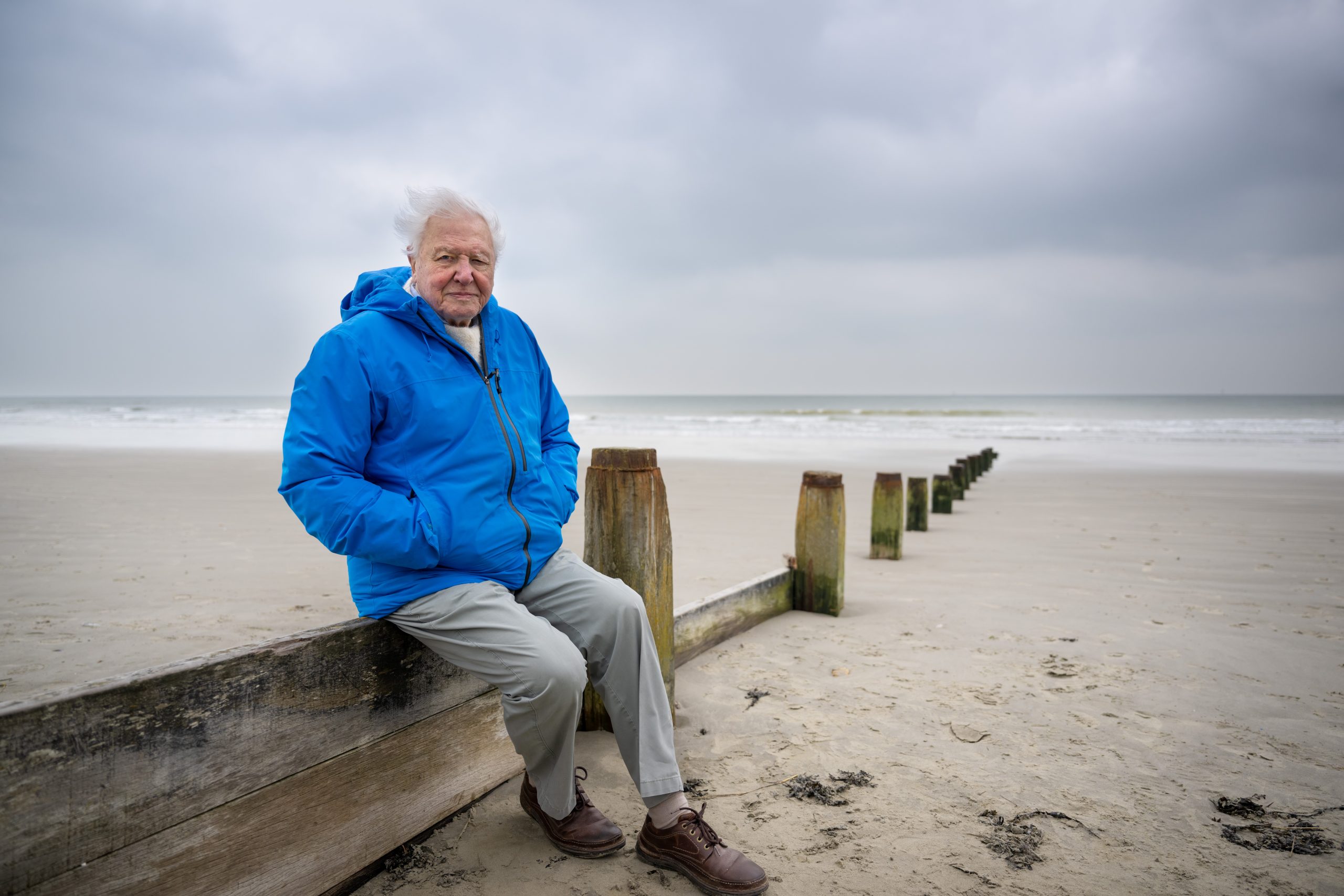
David Attenborough, the UK’s best known naturalist turns 100 on 8th May.
In a lifetime spanning ten decades and seven continents, it’s humbling to think one of the broadcaster’s “wildlife wonders of the world” is here in East Lothian.
Bass Rock is a familiar sight in the Forth Valley. 150,000 pairs of Northern Gannets converge on the spot every year in spectacular, camera-friendly fashion. Attenborough has been out to the island a number of times, describing it as “perfection” for filmmakers.
It’s a refreshing take. After a lifetime of globetrotting — visiting orangutans in Borneo and convincing the television-watching public that a narwhal is a real animal — the idea that animals you can see from your window might be worthy of TV treatment is a revolutionary one.
In the era of the BBC wildlife documentary it’s easy to think that nature is something that happens elsewhere. On the African Savanna, in glorious HD. Soaring on an ice flow, to the strings of Hans Zimmer.
David Attenborough started making documentaries in the 1950s. He quickly became the BBC’s ‘voice of God’, narrating the natural world. (Had a wildebeest ever been before he spoke it thus?)
During this same seventy-year span Scotland and the world have seen a period of dramatic nature loss. When Zoo Quest was first broadcast there were at least 400 more animal species, since gone extinct. Since filming the first episode of Life on Earth the WWF has reported an average 73% loss of wildlife populations.
And, Attenborough is to blame.
Not for single-handedly killing pangolins. No. The “Natural History Unit” has helped share the stories of wildlife at risk the world over. Attenborough is to blame, firstly, for making us a nation of wildlife lovers. Secondly, for failing to explain that nature loss is something that happens here, too.
One in nine species in Scotland are under threat of extinction.
Scotland is one of the most nature-depleted countries in the world. In the bottom 25 per cent, according to the Scottish Government.
Not to equate fly tipping in Tranent with ivory poaching, but it is part of the same puzzle.
The latest chapter of Attenborough’s career has been about the nature found under your nose.
When he returned to Bass Rock most recently, in 2023, it was not for its status as a ‘world wonder’ but to emphasise that there is wildlife worth wondering over – the world over.
“We are globally important for nature – and I don’t think many people in Britain appreciate that,” he said, during filming.
Even at 100, it’s never too late to change your point of view.
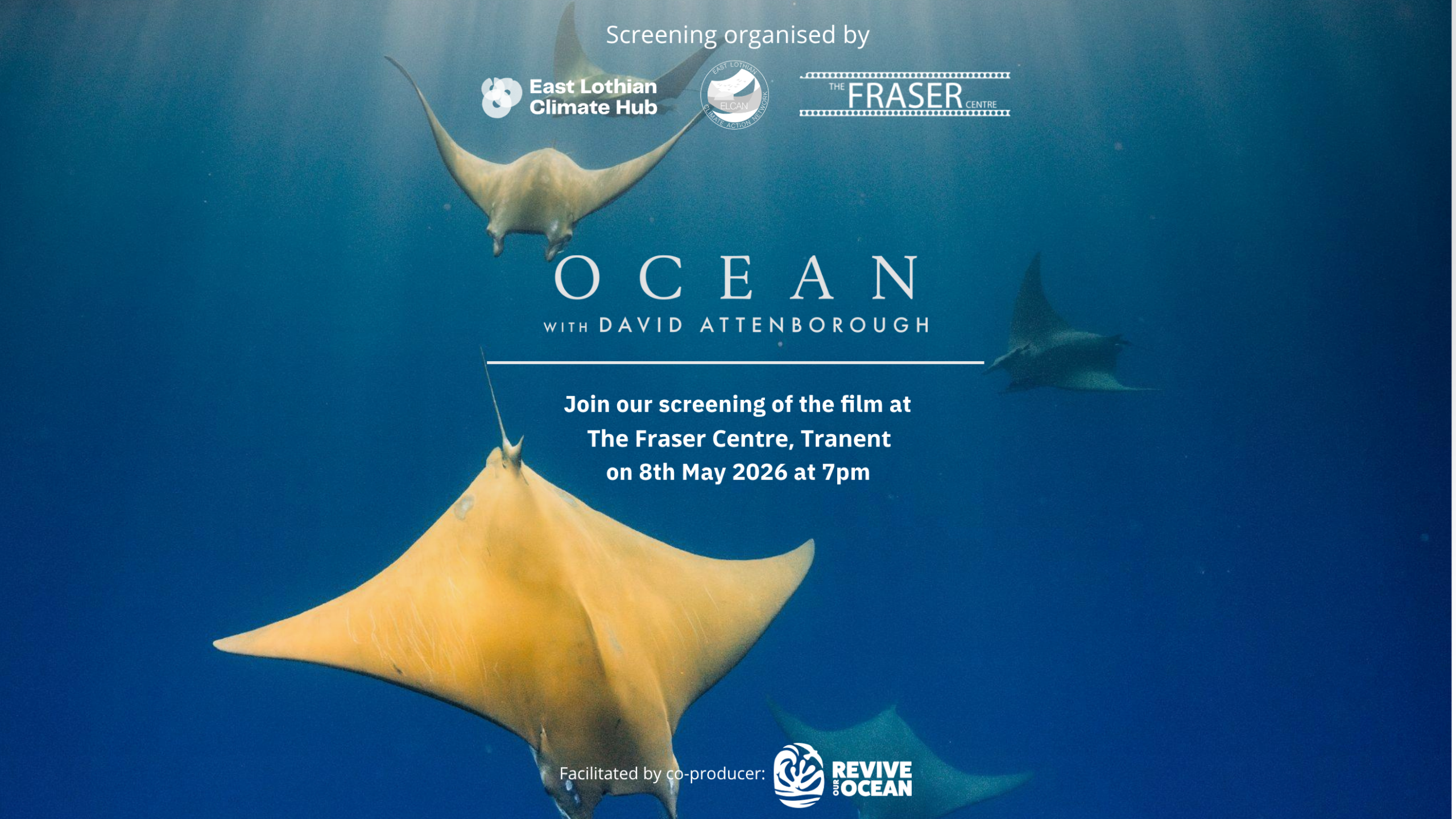
The Climate Hub and Fraser Centre Tranent are hosting a free screening of Ocean With David Attenborough on 8th May, Attenborough’s 100th Birthday. Sign up to attend the film and discussion on coastal conservation in East Lothian. thefrasercentre.com